
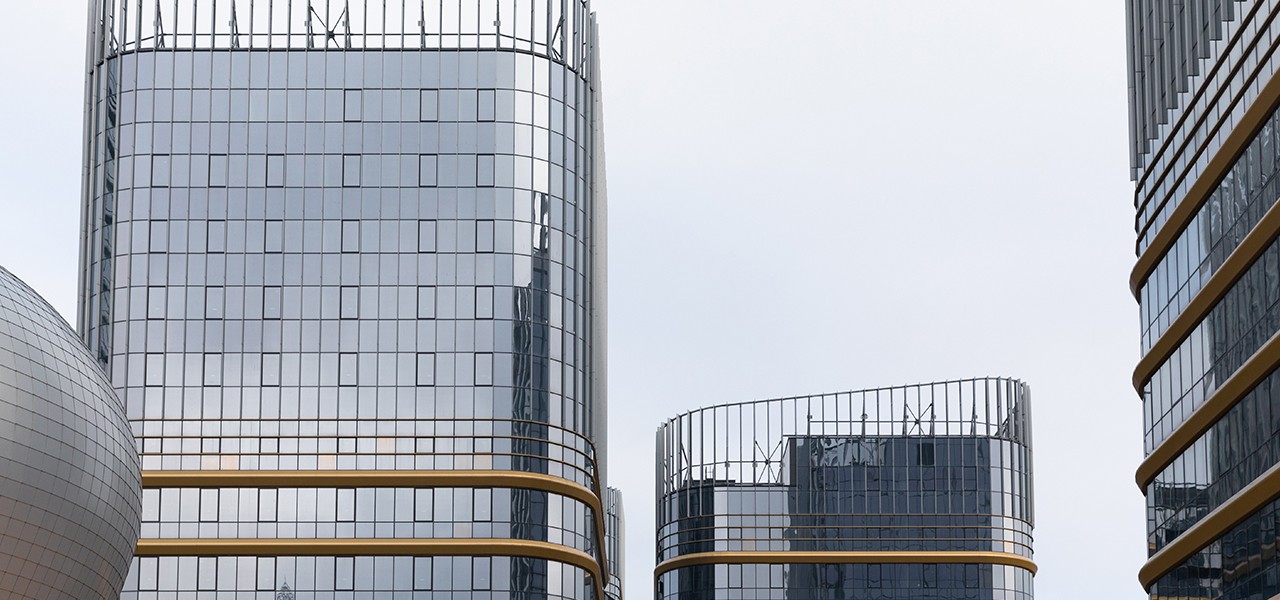
Exterior Facades and Building Design: Aesthetic Appeal and Functionality in Modern Architecture
The exterior facade of a building is more than just a visual element—it serves as the first impression, a protective layer, and a reflection of a building’s purpose and identity. In modern architecture, facades play a pivotal role in defining the character of a building, balancing form and function, and enhancing sustainability. Whether a sleek urban skyscraper or a charming suburban home, the facade significantly impacts how a building is perceived, how it performs, and how it interacts with its environment.
The Role of Exterior Facades
Facades are essentially the outer shell of a building, but they go beyond mere aesthetics. They fulfill several key functions:
Visual Identity: The facade establishes the overall look and feel of the building. It dictates the architectural style, whether modern, traditional, or something more avant-garde. The choice of materials, colors, textures, and shapes all come together to create the building’s personality.
Environmental Protection: The facade serves as the building’s first line of defense against environmental factors such as weather, wind, sunlight, and temperature fluctuations. It ensures that the interior remains comfortable and safe while reducing energy consumption by regulating the building’s thermal performance.
Sustainability: Modern facades are designed with energy efficiency in mind. High-performance facades often incorporate eco-friendly materials and technologies such as solar panels, green walls, or insulated glazing systems to reduce energy consumption and enhance the building’s overall sustainability.
Comfort and Functionality: The facade plays an essential role in the interior comfort of the building’s occupants. It influences natural light, ventilation, and temperature control, ensuring that the building provides a pleasant environment for living or working.
Types of Exterior Facades
Architectural diversity and material innovation have led to a wide range of facade types, each offering unique aesthetic and functional benefits. Let’s explore some of the most common types:
1. Glass Facades: Transparency and Light
One of the most iconic features of modern architecture is the glass facade. Used extensively in office buildings, high-rises, and contemporary homes, glass facades provide a sense of openness and transparency. They allow for unobstructed views and an abundance of natural light, which can enhance the aesthetic appeal and energy efficiency of a building.
Modern glass facades are often made from energy-efficient, double or triple-glazed glass that helps regulate temperature by reducing heat gain in the summer and heat loss in the winter. Additionally, the integration of smart glass technology can enable the glass to change its transparency based on sunlight intensity, further optimizing energy use.
2. Curtain Walls: A Structural Wonder
Curtain walls are non-load-bearing facades typically made of glass, aluminum, or stone, and they are commonly seen in commercial buildings and skyscrapers. The defining feature of a curtain wall system is that it hangs from the structural framework, allowing for expansive glass panels that create a sleek, modern look.
These facades are not only visually striking but also highly functional. Curtain walls provide thermal insulation, control moisture, and improve energy efficiency, often incorporating photovoltaic panels or sunshades to reduce the building's environmental impact.


